Comprehensive medical care from prevention to chronic disease management
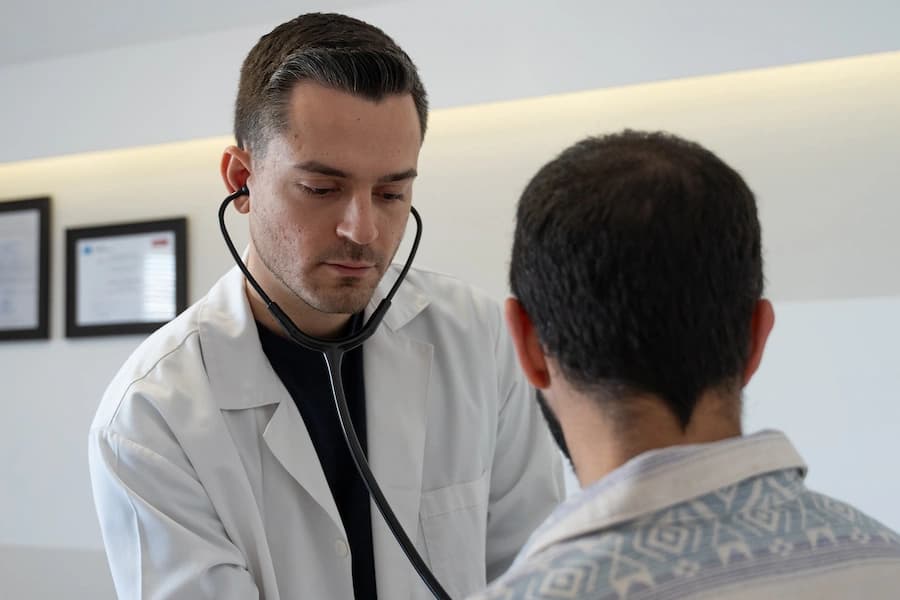
Dr. Papandreou provides the full spectrum of internal medicine services. Emphasis is placed on prevention. The diagnosis and management of acute conditions is prioritized. Laboratory and imaging test results are evaluated. In addition, the doctor provides long-term patient follow-up as a primary care doctor and manages chronic medical conditions.
Everyday medical services
Laboratory test evaluation
Imaging study evaluation
Electrocardiographic (ECG) assessment
Medication prescribing
Referrals, medical reports and certificates
Prevention
Prevention is the cornerstone of medical care. At the office, emphasis is placed on comprehensive patient education, coordination of complete preventive care and regular health monitoring, aiming at the early diagnosis of pathological conditions and the prevention of complications.
1. Patient education on the importance of prevention and comprehensive health monitoring, delivered responsibly and with clarity.
2. Regular laboratory testing tailored to each patient’s profile and risk factors, for the exclusion or early detection of pathological findings.
3. Coordination of necessary preventive measures and guidance on recommended vaccinations based on medical history and individual health needs.
4. Referral for specialized evaluation by colleagues of other medical specialties when deemed necessary.
Diagnosis & management of acute conditions
Responsible medical assessment and individualized patient-centered approach for conditions such as fever, general symptoms and symptoms related to the respiratory and gastrointestinal systems.
Assessment of patients with COVID-19
Evaluation, guidance and monitoring of patients with COVID-19, according to their profile, day of illness and severity of symptoms.
Home medical visits
Home visits are carried out for patients who have difficulty moving or when examination in the home environment is considered necessary. The office is fully equipped with portable devices to ensure the same quality of medical care at your location. You can inquire by phone about the service areas.
Remote medical services
Remote services are also provided, aiming to offer prompt and reliable patient support. Examples include electronic (paperless) prescription and referral form issuance, as well as symptom assessment by telephone.
Chronic conditions and metabolic health
Diabetes mellitus
It is a disorder of carbohydrate metabolism and is classified into different types, mainly type 1 and type 2. Management ranges from lifestyle modifications and oral medications to injectable therapies administered daily or weekly, and implantation of a subcutaneous insulin pump. Glucose monitoring may be required from a few times per year to several times per day. Implantable sensors for continuous glucose monitoring are also available nowadays. Regular follow-up for disease complications is also essential.
Arterial hypertension
It is a very common but insidious condition, as it may remain asymptomatic for years. Emphasis is placed on early diagnosis and optimal blood pressure control, aiming to reduce cardiovascular risk. Management is based on lifestyle changes and, when necessary, individualized pharmaceutical treatment from a wide range of therapeutic options. In some resistant cases, causes of secondary hypertension must be excluded.
Lipid disorders
The management of lipid disorders is based on the overall cardiovascular risk. Monitoring of cholesterol and triglyceride levels begins at a young age and is combined with the adoption of a healthy lifestyle. When necessary, pharmaceutical treatment is initiated, taking into account the patient’s overall profile and factors such as elevated lipoprotein(a), with the aim of achieving optimal cholesterol and triglyceride levels. Particular emphasis is placed on the prevention, diagnosis and monitoring of vascular atherosclerosis, especially coronary, carotid and peripheral artery disease.
Obesity
The fundamental principles of a balanced diet are analyzed. Concepts such as calorie calculation, basal metabolic rate (BMR), and glycemic index are explained. A personalized aerobic physical activity program is organized, with detailed exercise duration and intensity guidelines. Where deemed necessary, weight loss efforts are supported with modern pharmacological therapies.
Metabolic dysfunction-associated steatotic liver disease
It is now the most common liver disease and the least recognized component of the metabolic syndrome spectrum. At the office, comprehensive management of the condition is provided, from the initial diagnosis and monitoring to the treatment of more advanced and aggressive forms, with emphasis on a holistic approach to the patient’s metabolic health.
Hyperuricemia
Hyperuricemia (elevated uric acid levels in the blood) does not necessarily imply the need to initiate pharmacological treatment. Management begins with changes in dietary habits. Pharmacological therapy is recommended only when necessary, depending on the presence of complications such as gout attacks, nephrolithiasis and nephropathy.
Anemia
A wide range of conditions may lead to low hematocrit and hemoglobin levels. All possible causes are investigated. Based on the findings and the most likely diagnosis, referral to colleagues from other specialties is often required for further management.
It is a disorder of carbohydrate metabolism and is classified into different types, mainly type 1 and type 2. Management ranges from lifestyle modifications and oral medications to injectable therapies administered daily or weekly, and implantation of a subcutaneous insulin pump. Glucose monitoring may be required from a few times per year to several times per day. Implantable sensors for continuous glucose monitoring are also available nowadays. Regular follow-up for disease complications is also essential.
It is a very common but insidious condition, as it may remain asymptomatic for years. Emphasis is placed on early diagnosis and optimal blood pressure control, aiming to reduce cardiovascular risk. Management is based on lifestyle changes and, when necessary, individualized pharmaceutical treatment from a wide range of therapeutic options. In some resistant cases, causes of secondary hypertension must be excluded.
The management of lipid disorders is based on the overall cardiovascular risk. Monitoring of cholesterol and triglyceride levels begins at a young age and is combined with the adoption of a healthy lifestyle. When necessary, pharmaceutical treatment is initiated, taking into account the patient’s overall profile and factors such as elevated lipoprotein(a), with the aim of achieving optimal cholesterol and triglyceride levels. Particular emphasis is placed on the prevention, diagnosis and monitoring of vascular atherosclerosis, especially coronary, carotid and peripheral artery disease.
The fundamental principles of a balanced diet are analyzed. Concepts such as calorie calculation, basal metabolic rate (BMR), and glycemic index are explained. A personalized aerobic physical activity program is organized, with detailed exercise duration and intensity guidelines. Where deemed necessary, weight loss efforts are supported with modern pharmacological therapies.
It is now the most common liver disease and the least recognized component of the metabolic syndrome spectrum. At the office, comprehensive management of the condition is provided, from the initial diagnosis and monitoring to the treatment of more advanced and aggressive forms, with emphasis on a holistic approach to the patient’s metabolic health.
Hyperuricemia (elevated uric acid levels in the blood) does not necessarily imply the need to initiate pharmacological treatment. Management begins with changes in dietary habits. Pharmacological therapy is recommended only when necessary, depending on the presence of complications such as gout attacks, nephrolithiasis and nephropathy.
A wide range of conditions may lead to low hematocrit and hemoglobin levels. All possible causes are investigated. Based on the findings and the most likely diagnosis, referral to colleagues from other specialties is often required for further management.
Chronic symptom investigation
The doctor undertakes the investigation of chronic or unclear symptoms from any body system, ranging from weakness and fatigue to fever of unknown origin. Evaluation is carried out systematically and, when considered appropriate, in collaboration with trusted doctors from other specialties until a final diagnosis is reached.
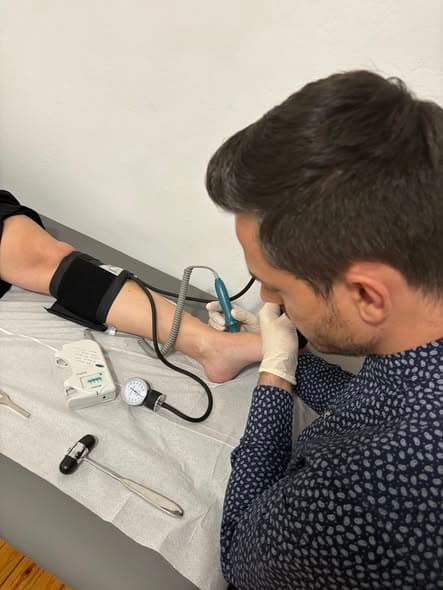
Vascular Doppler ultrasound
It is a simple test for diagnosing and monitoring peripheral artery disease. It is also performed as part of the regular follow-up of patients with Diabetes Mellitus to assess disease complications.
Read the related article
Frequently asked questions
Yes. The doctor follows a strict appointment-only policy, in order to allocate sufficient time for thorough assessment and comprehensive care.
Yes. Home visits are available for patients with limited mobility or a compromised general condition. Service areas include Eastern Thessaloniki and the city center. Visits in Western Thessaloniki require a special arrangement.
Selected medical services are provided remotely, such as e-prescriptions (intangible prescribing of medications), electronic issuance of referrals and medical certificates, as well as symptom evaluation by telephone.
Dr. Papandreou handles the full spectrum of internal medicine cases, from infections and other acute conditions to preventive checkups and chronic diseases. He also provides holistic primary care services as a personal doctor. Please note that the doctor is not contracted with EOPYY programs.
Special emphasis is placed on metabolic and cardiovascular diseases, such as diabetes mellitus, arterial hypertension, lipid disorders, obesity, and metabolic dysfunction-associated steatotic liver disease. You may also consult the doctor for other chronic conditions, such as anemia and uric acid disorders.
Schedule your visit.
Book an appointment for a complete and high quality medical assessment.
Book an Appointment
Today