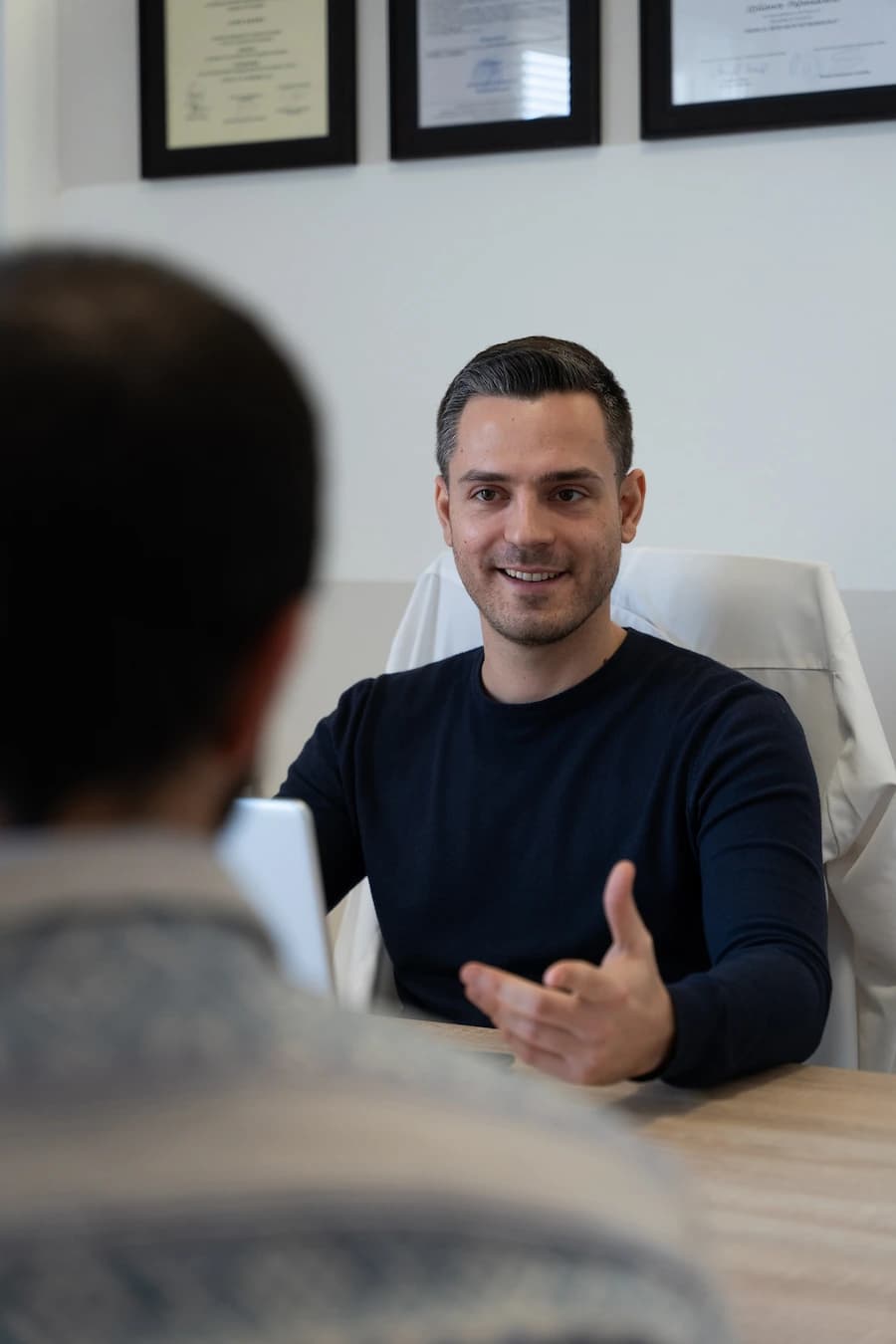
Excellentdoctor,fullyqualifiedwithalotofloveforhisworkandgenuineconcernforhispatient!
Patient words
What patients value most
A human approach
Scientific clarity
A sense of safety
Words of trust
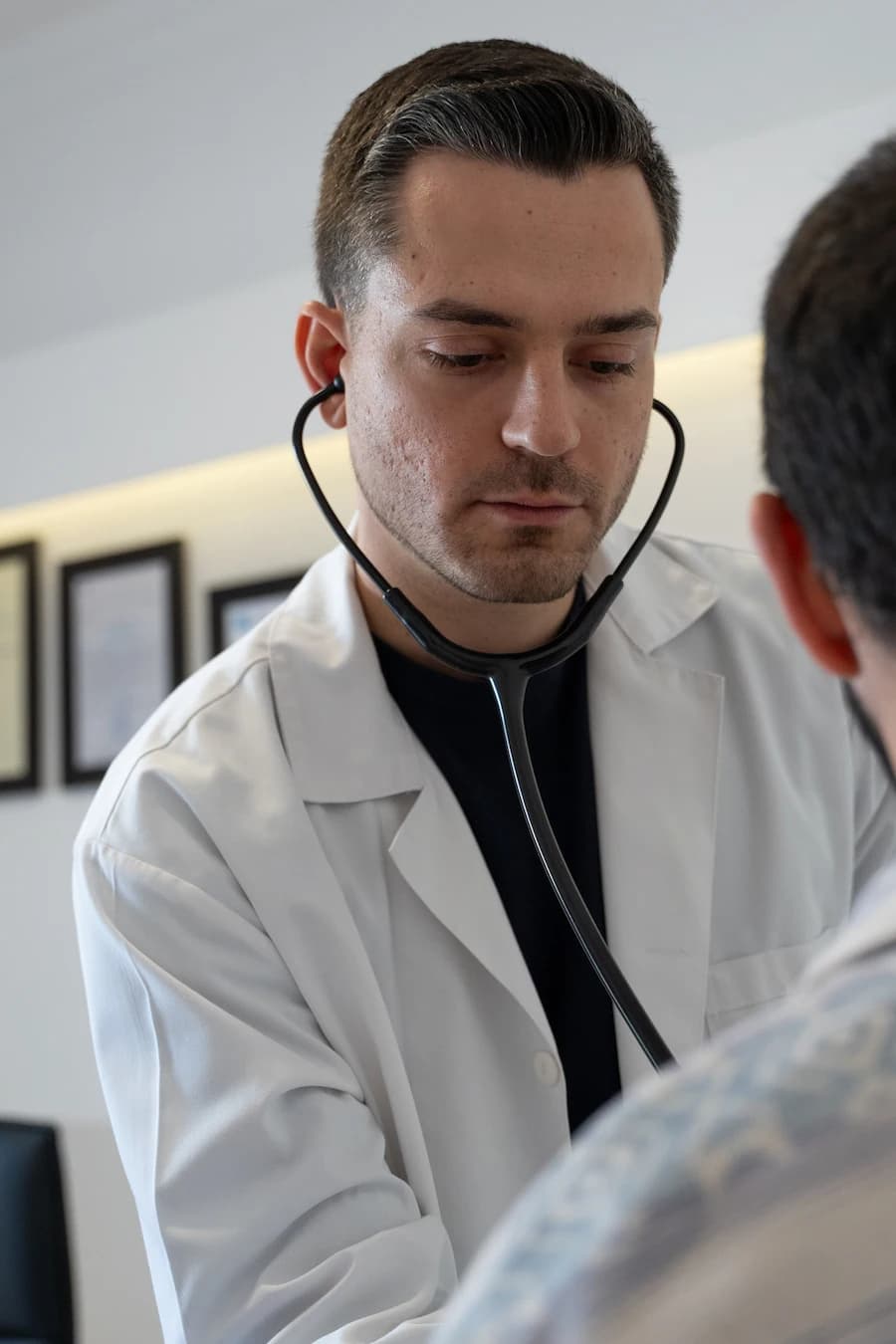
I don’t know how to describe the experience of the first visit for an issue concerning my teenage daughter without sounding excessive. The doctor wins you over from the very first minute. The medical examination was impeccable, far more than comprehensive, and his approach to a teenage girl was beyond any expectation, marked by an exceptionally high level of empathy. Our first meeting was a very pleasant surprise, and beyond a simple thank you, I would also like to express my admiration for this young scientist. I am certain that his knowledge and genuine interest are so uniquely exceptional that they create an absolute sense of safety for the patient.
Maria K.
Always a high achiever, Mr. Papandreou stands as one of the brightest examples of high-level expertise, professionalism, reliability, and humanity. From the very first moment, one feels the reassurance of being in good hands. The doctor listens attentively to the patient, explains every step of the diagnosis and treatment with clarity and simplicity, and shows genuine interest in each person’s health, dedicating as much time as needed, even to reassure the patient or answer any questions. He comes highly recommended to anyone seeking an experienced internist who combines scientific knowledge with true care.
Olympia P.

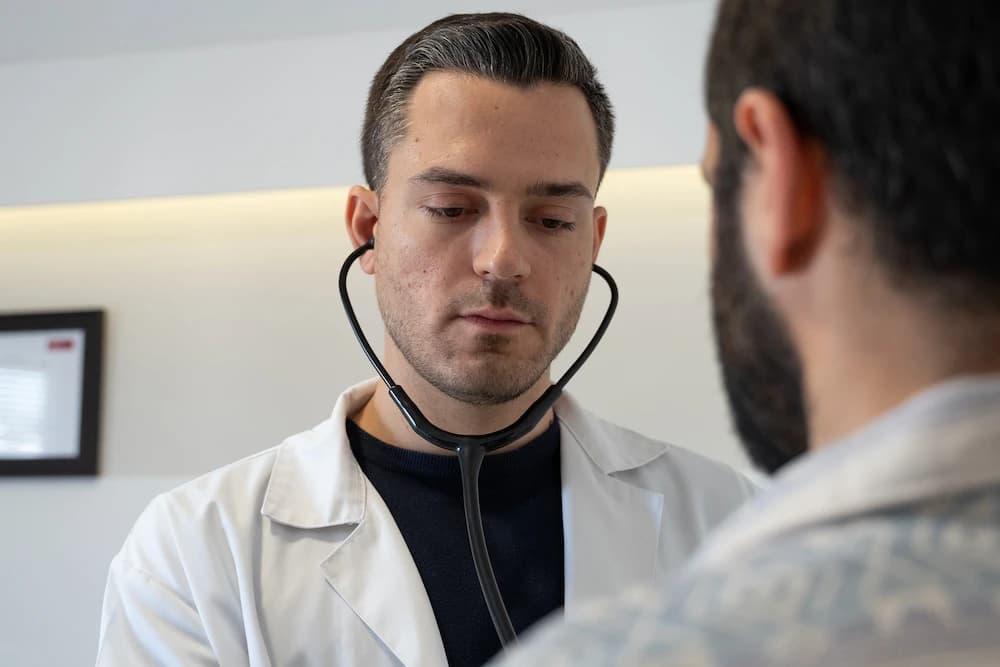
An excellent scientist and, above all, a remarkable human being. Extremely attentive, thorough in his explanations and exceptionally well qualified. He made us feel safe and confident from the very first moment. This was not merely a routine examination, but a comprehensive approach with genuine concern for our health. Truly outstanding at his work. We sincerely thank him and recommend him without hesitation.
Dimitra C.
The case of the year
2025
Fever of unknown origin – the epitome of an Internal Medicine case
Present illnessA 36-year-old female patient presented to the office due to daily fever lasting for two months without accompanying symptoms.
The fever appeared every day after midday, gradually rising to 37.5–37.7 °C by the evening, and then subsided without the use of antipyretic medication. The patient did not perceive the increase in temperature unless she measured it.
Past medical historyOne month before the fever was first noted, the patient developed a respiratory infection. Approximately two months followed during which respiratory symptoms showed periods of remission and exacerbation. The patient received antibiotic regimens and various medications for persistent cough. During the last exacerbation, and while fever episodes had already been recorded daily for one month, the patient underwent a chest CT scan that showed no pathological findings.
Eventually, with the last course of pharmacotherapy, respiratory symptoms completely resolved. One month later, with daily fever persisting, she presented to the office for the first time.
Diagnostic evaluation had already began by the physicians she had previously visited. In addition to the CT scan mentioned above, she brought a complete initial panel of blood tests and an abdominal ultrasound. The only finding was a mild elevation of certain inflammatory markers.
Differential diagnosisThe differential diagnosis of fever of unknown origin represents a major challenge for the internist. The potential causes encompass almost the entire spectrum of internal medicine: infectious causes, autoimmune diseases, neoplasms, hormonal disorders, other systemic diseases, and dozens of rarer causes.
Initial presentationThe approach began with a thorough recording of the medical history and a clinical examination, which did not reveal any suspicious clues or clinical findings. A resting electrocardiogram was performed and was normal. All unnecessary medications were discontinued. The next step was a comprehensive discussion with the patient regarding the nature of the problem. Everything that might potentially be required was discussed, including the diagnostic algorithm and the timeline of our actions. The patient was asked to confirm the fever using different thermometers and to keep a daily temperature log.
We proceeded with repeat blood tests, this time including a full immunological, hormonal, and microbiological profile, as well as tumor markers. The tests were again normal, with the only persistent finding being a mild elevation of inflammatory markers (CRP, ESR, C3). The next step was an abdominal CT scan, which revealed borderline reactive enlargement of lymph nodes at the hepatic hilum and para-aortic regions at the level of the renal hila. The patient continued to report no symptoms other than fever.
Assessment by Infectious Disease SpecialistsInterdisciplinary collaboration in such cases is a cornerstone of proper diagnostic investigation. In collaboration with Infectious Disease specialists from a University Hospital, a day admission was scheduled for the patient, in order to obtain blood cultures and exclude all possible infectious causes. The evaluation was once again negative. Additionally, two separate 24-hour urine collections were performed, both yielding normal results.
Course of the diseaseWhile awaiting results, the patient recorded temperatures above 38°C for the first time; these also subsided spontaneously. She also reported, for the first time, myalgias in the upper limbs and a sense of malaise/easy fatigue. A bone scan was performed but revealed no pathological findings. As inflammatory markers remained mildly elevated on every follow-up assessment, more specialized blood tests were conducted for amyloidosis and neuroendocrine tumors (amyloid, NSE, and chromogranin A). The first two were found to be mildly elevated. However, these markers are non-specific, and their elevation was attributed to chronic inflammation.
With the patient’s consent, it was decided to pursue the investigation to completion rather than adopt a watch and wait approach. After all, several serious conditions had not yet been definitively excluded.
Interdisciplinary collaboration and further diagnostic evaluationA whole-body PET scan was performed, revealing hypermetabolic foci in the stomach, diffusely in the liver, and in the bone marrow. Involvement of physicians from other specialties was required, in order to perform further invasive diagnostic tests. In collaboration with a team of physicians from a second hospital in Thessaloniki, bone marrow aspiration and bone marrow biopsy were performed by Hematologists (all results were normal, including cultures and karyotype analysis). Subsequently, gastroscopy and colonoscopy were performed by Gastroenterologists, which did not reveal any pathological findings. Additionally, a transesophageal echocardiogram was performed by a Cardiologist, also without pathological findings (there had been suspicion of conditions that would not produce increased signal on PET scan, such as myxoma).
Given that the liver biochemical profile was completely normal on multiple occasions, it was decided not to proceed with a blind liver biopsy, following consultation with two Professors of Hepatology. The liver is an organ that executes numerous functions; therefore, the diffusely increased signal observed on the PET scan was attributed to activation of the monocyte-macrophage system due to the chronic inflammation associated with fever.
Referral to a RheumatologistWith all of the above findings being normal, and repeated thorough clinical examinations revealing no pathological findings - and without any indication of a neurological condition - rheumatologic diseases were the only remaining diagnostic pathway. The patient was connected with a specialized Rheumatologist. A blood sample was sent to a laboratory at the University of Thessaly for genetic analysis of autoinflammatory diseases. A full interleukin panel was also obtained, along with molecular testing for HLA genotype. Based on the results of the genetic analysis, classical autoinflammatory diseases were essentially excluded. HLA testing revealed a genotype predisposing to psoriasis, a finding that was considered clinically irrelevant to the present illness. The interleukin panel showed a significant elevation of IL-17, a finding that strongly supports the presence of autoimmunity.
Diagnosis and managementThe current interpretation is that the patient has an undifferentiated autoimmune disease that has not yet manifested the full clinical or laboratory profile required to establish a definitive diagnosis. The patient was started empirically on colchicine therapy, without significant signs of response. She remains under close follow-up. As long as the symptoms do not significantly affect her quality of life, we remain cautious regarding the initiation of corticosteroids or other immunomodulatory therapies, due to concerns about long-term adverse effects and obscuring the diagnostic process.
Conclusions and acknowledgmentsThis case highlights a small part of the “magic” of Internal Medicine and medical science in general. Interdisciplinary collaboration between medical specialties, trust relationship between physicians and patients, careful and regular reassessment, and algorithmic diagnostic evaluation are essential for managing such cases. I would like to sincerely thank all colleagues who contributed to the diagnostic process, as well as the patient for consenting to the publication of her story.
Frequently asked questions
Yes. The doctor follows a strict appointment-only policy, in order to allocate sufficient time for thorough assessment and comprehensive care.
The visit takes place in a calm and friendly environment, with respect for the patient and without haste. Time is dedicated to careful recording of the medical history, thorough examination, discussion, and detailed explanation of the findings and the next steps.
Yes. Each patient is treated with genuine interest in their health and with respect for their time and trust. The goal is not only an accurate diagnosis, but also the creation of a sense of safety and a relationship based on understanding and trust.
Dr. Papandreou monitors response to treatment until full recovery. Patients can communicate directly with the doctor by phone call, message, or email. Test results can also be reviewed remotely.
Dr. Papandreou speaks English and German. Patients aged 16 years and older are accepted. There is particular experience in managing elderly patients. Vulnerable patients are treated with empathy and sensitivity. Home visits are available for patients with limited mobility or compromised general condition.
Schedule your visit.
Book an appointment for a complete and high quality medical assessment.
Book an Appointment
Today